


-

Add: HeBei ShengShi HongBang Cellulose Technology CO.,LTD.
-

Email
13180486930@163.com -

CONTACT US
+86 13180486930

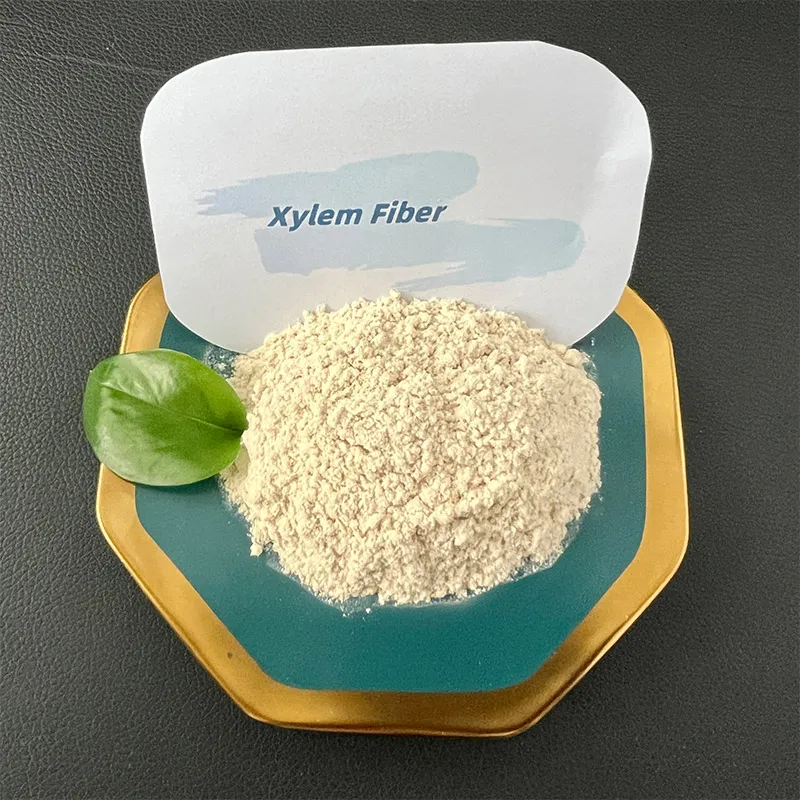


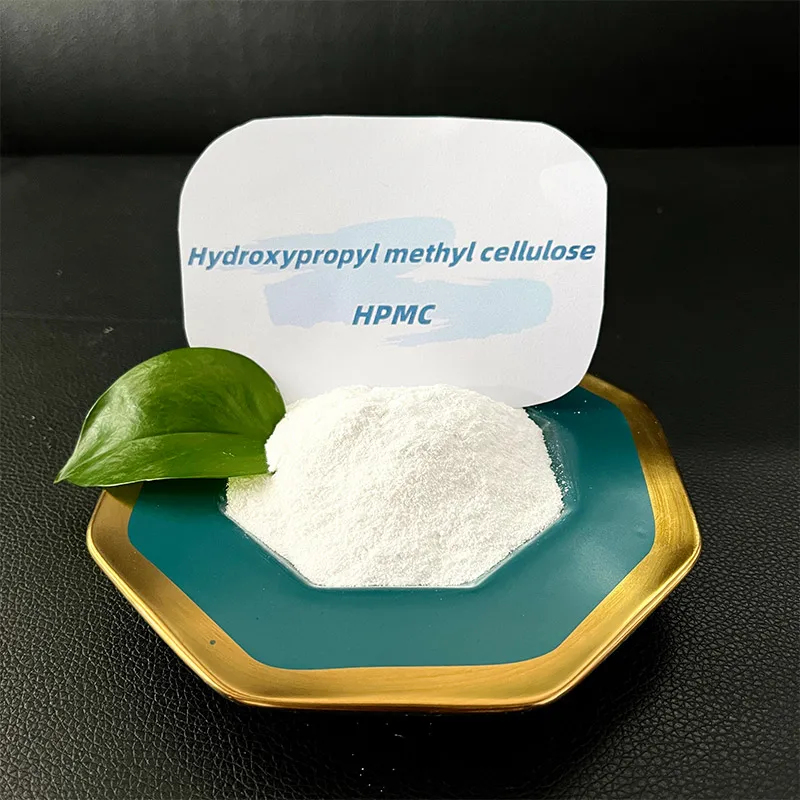
In the realm of pharmaceuticals and food industries, Hydroxypropyl Methylcellulose (HPMC) solution has emerged as a game-changer, known for its versatility and efficiency. As an expert with years of experience in product optimization, I can attest to the immense benefits this solution offers across various applications, maintaining a fine balance between performance and safety. Hydroxypropyl Methylcellulose is a water-soluble polymer widely used for its thickening, stabilizing, and film-forming properties. Derived from cellulose, it is extensively employed in the formulation of oral drug delivery systems. The unique properties of HPMC solutions make them indispensable for controlling the release rate of drugs, ensuring consistent therapeutic outcomes. Its ability to form a gel barrier when in contact with aqueous solutions is crucial for extended-release formulations, thereby enhancing patient compliance and efficacy. Furthermore, HPMC solutions are pivotal in the production of capsule shells . Their non-toxic nature and flexibility allow for the creation of capsules that are not only stable but also suitable for vegetarian and vegan users. The solution’s adaptability in different formulation environments underscores its authority in the pharmaceutical industry, being the go-to material for achieving optimal dissolution profiles and bioavailability. In the food industry, HPMC shines as a stabilizer and emulsifier. Its role in gluten-free products is particularly noteworthy. By improving the texture and mouthfeel of gluten-free baked goods, HPMC solutions bridge the gap between dietary restrictions and culinary satisfaction. Products maintain moisture and resist staling, ensuring consumers receive a product that meets both taste and quality expectations. When it comes to pre-mixed batters, its stabilization properties prevent separation, ensuring a uniform product that chefs and home cooks alike can trust. hpmc solution What sets HPMC apart from other compounds is its comprehensive safety profile. Regulatory bodies worldwide, including the FDA and EFSA, recognize its safety in various applications, which bolsters its credibility and consumer trust. The consistent quality control and rigorous testing it undergoes further cement its reliability and authoritative position in the market. For product developers and formulators, understanding the versatility of HPMC solutions is essential. Its application is not merely limited to its inherent properties but extends to innovative uses that continue to evolve. Being informed of the latest research and developments surrounding HPMC allows companies to harness its full potential, creating superior products that stand out in highly competitive markets. The market perception of HPMC as a solution is not just about its functional attributes, but also its alignment with global trends towards sustainability and plant-based alternatives. Its cellulose-derived nature ensures it is both biodegradable and renewable, resonating with eco-conscious consumers and industries striving for sustainable practices. Ultimately, the decision to incorporate HPMC solutions into product lines reflects a commitment to quality, efficiency, and innovation. Its proven track record across multiple industries is a testament to its invaluable role in enhancing product functionality and safety. Embracing HPMC means tapping into a legacy of trusted performance and looking towards a future of endless possibilities in product development.
- 40000tons

Production
- 20+years

Experience
- 5000+㎡

Acreage

-
Гидроксипропилметилцеллюлоза (гипромеллоза) капсулы становятся все более популярными на мировом рынке благодаря своим многочисленным преимуществам в сравнении с традиционными капсулами, изготовленными из желатина. Гипромеллоза - это полимер природного происхождения, который делает эти капсулы более устойчивыми и экологически чистыми. Давайте более подробно рассмотрим преимущества и динамику рынка HPMC капсул, опираясь на реальный опыт, экспертное мнение и данные исследований. Рынок капсул из гипромеллозы значительно вырос в последние годы, и прогнозы указывают на дальнейший рост в связи с увеличением спроса на растительные альтернативы в фармацевтической и пищевой промышленности. Все большее количество потребителей переходит на веганский образ жизни, что способствует увеличению спроса на растительные продукты, в том числе и капсулы. В связи с этим, производители в сфере капсул переходят на использование гипромеллозы, которая удовлетворяет эти новые потребности. Экспертные исследования показывают , что капсулы из гипромеллозы обладают рядом преимуществ. Они характеризуются высокой стабильностью относительно различных условий окружающей среды, таких как температура и влажность. Это свойство делает их особенно подходящими для доставки активных веществ, которые могут быть нестабильны в капсулах из животного желатина. Помимо этого, капсулы HPMC являются безопасными для широкой целевой аудитории, включая людей с различными диетическими ограничениями, такими как веганы, вегетарианцы и те, кто страдает аллергией на определенные компоненты животного происхождения. Они также гипоаллергенные, что делает их более привлекательными на рынке с точки зрения безопасности и толерантности. Рыночная экспертиза показывает, что инновации в производственных процессах HPMC капсул ускоряют их адаптацию в фармакологии и в сфере спортивного питания. Процесс производства более экологичен, что привлекает внимание компаний, стремящихся к устойчивому развитию. Такие изменения, как снижение выбросов углерода и уменьшение зависимости от животных источников, добавляют HPMC капсулам репутацию экологически безопасного выбора. Рынок капсул HPMC Авторитетные агентства по контролю качества и безопасности продуктов одобряют гипромеллозные капсулы, подтверждая их неоспоримую пользу и безопасность. Все больше исследовательских учреждений подтверждают их эффективность в доставке лекарственных средств, что создает дополнительный доверие к этому продукту среди медицинских работников и конечных потребителей. На данный момент существует несколько ключевых игроков на рынке, активно продвигающих и внедряющих продукты на основе гипромеллозы. Эти компании делают акцент на инновационные методологии производства, обеспечивая тем самым высокое качество и соответствие международным стандартам. Потребительское доверие к HPMC капсулам постоянно растет, благодаря чему они становятся не только популярным выбором среди пользователей, но и надежным партнером для врачей и фармакологов. Фактические данные потребительских опросов говорят о положительном восприятии и большей удовлетворенности данным продуктом. Таким образом, рынок капсул из гипромеллозы продолжает активно развиваться, предъявляя высокие стандарты качества и безопасности. Основанный на экспертных знаниях, доверии и длительном опыте пользователей и производителей, он обещает оставаться устойчивым трендом в мире капсул.
-
Rubber powder, often derived from recycled rubber products, has carved out a crucial niche in the sustainability and manufacturing sectors. This fine, granular substance is predominantly obtained from end-of-life tires and other rubber materials, undergoing a rigorous process of shredding, grinding, and sometimes finer pulverization to ensure a consistent texture and quality. Used across multiple industries, rubber powder is a testament to innovative recycling techniques that balance economic viability with ecological responsibility. In industrial applications, rubber powder serves multiple purposes owing to its unique properties. Its elasticity and resilience make it an ideal component in the production of modified asphalt for roadways. By integrating rubber powder into asphalt mixtures, road surfaces benefit from increased durability, resulting in decreased maintenance costs and extended lifespan. The material also enhances resistance to temperature variations, reducing the occurrence of potholes and surface cracking, which are common issues under fluctuating weather conditions. The construction industry reaps substantial benefits from rubber powder as well. It finds its place in concrete formulations, where it acts as an additive to improve flexibility and crack resistance. By incorporating rubber powder, builders and contractors achieve superior energy absorption characteristics in the structures. This innovative use of rubber powder not only extends the functional life of the structures but also provides enhanced seismic resistance, a critical factor in regions prone to earthquakes. In the realm of consumer products, rubber powder plays a transformative role. Manufacturers of rubber and plastic goods increasingly adopt rubber powder as a cost-effective and eco-friendly filler material. Its inclusion in products like shoe soles, floor tiles, and rubber mats not only helps in maintaining the performance standards but also aids in reducing the reliance on virgin rubber resources. This recycling process ensures sustainability in production while keeping quality intact, reflecting the growing consumer demand for environmentally responsible products. rubber powder wikipedia Moreover, the sports industry makes extensive use of rubber powder, particularly in the creation of synthetic sports fields and playground surfaces. These surfaces, benefiting from the shock-absorbing qualities of rubber powder, offer safer playing environments by reducing the risk of injuries from falls. The environmental advantage is clear—repurposing tire rubber that would otherwise contribute to landfill waste. The production process inherently adjusts the level of fineness of the rubber powder to tailor it for specific sports needs, ensuring optimal performance and safety. The environmental implications of rubber powder are significant . By facilitating the conversion of waste rubber into valuable end-products, such processes contribute considerably to reducing the ecological footprint of rubber waste. The recycling of tires and other rubber products into powder form effectively closes the loop in the lifecycle of rubber, offering a renewable option for industries traditionally dependent on non-renewable materials. On a macro scale, the growth of the rubber powder market signals a shift towards more sustainable manufacturing practices. Companies engaged in rubber recycling and powder production foster a circular economy, characterized by reduced raw material extraction and minimized waste. This market evolution aligns with global sustainability goals, encouraging industries to embrace greener alternatives while remaining economically competitive. In summary, rubber powder embodies the principles of modern innovation, blending expert engineering and environmental stewardship. Its applications across industries not only demonstrate technological advancement but also underscore a collective commitment to sustainable development. The conscientious use of recycled materials exemplifies a forward-thinking approach, ensuring that the push for progress does not come at the expense of the planet's health.
advantages
-

200000 Viscosities
Excellent product
We can produce pure products up to 200,000 viscosities
-

40000 tons
High yield
We don’t stop production all year round, and the annual output can reach 40,000 tons
-

24 hours
Quality service
We provide 24-hours online reception service, welcome to consult at any time
———— Inquiry Form
Schedule A services

-
 hpmc_e15_properties
Oct . 25, 2025
HPMC Dextran is the innovative addition to the pharmaceutical excipients' domain that is capturing s -
 hpmc_grades_and_uses
Oct . 25, 2025
Materials derived from natural sources, like wood cellulose , are redefining industries with their v -
 hydroxypropyl_methylcellulose_manufacturing_process
Oct . 25, 2025
Hydroxypropyl Methyl Cellulose (HPMC) has emerged as a versatile material in various industries, off


